Description
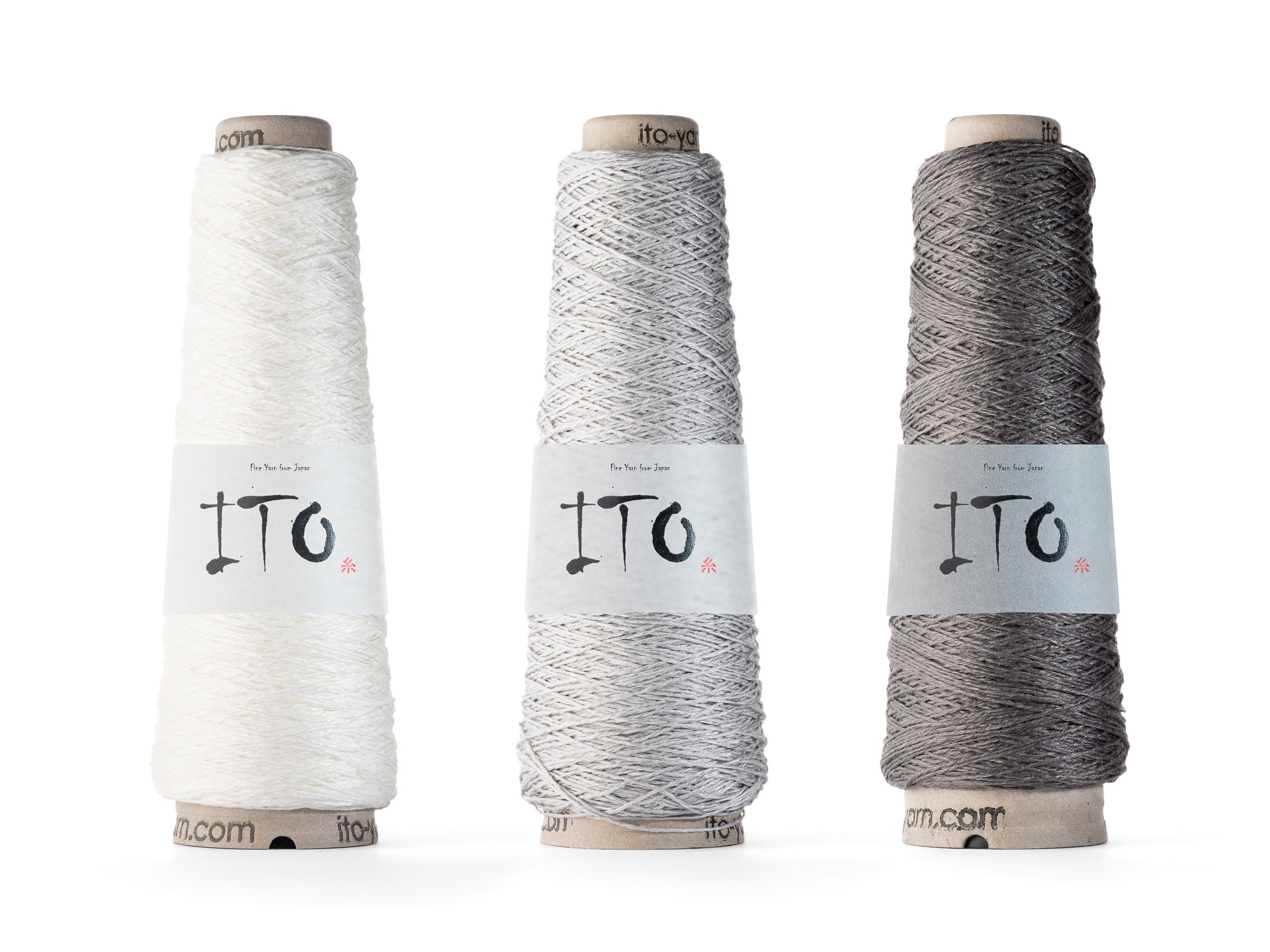
Fotos @ Ito Yarn
Ito – SO ASA
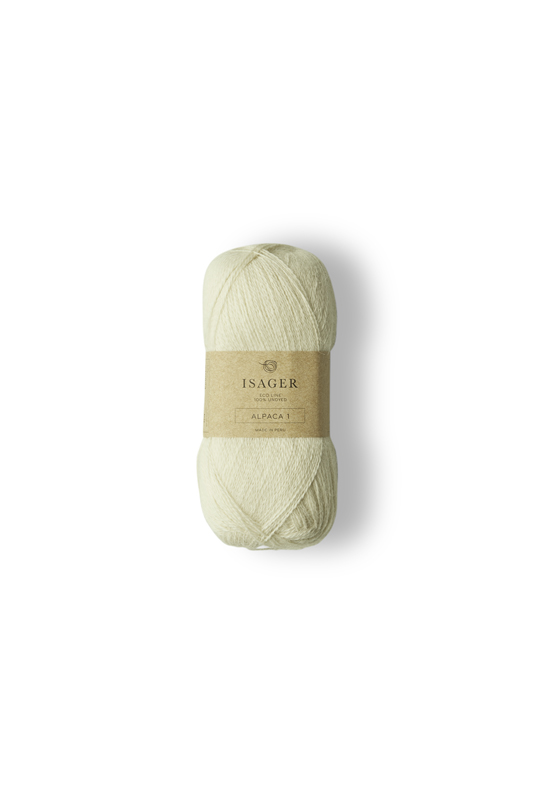
ITO So Asa is a high-quality linen yarn refined with a small proportion of silk and cotton. The yarn combines the natural advantages of linen with the gentle elegance of silk and the soft structure of cotton. The combination of linen, silk and cotton creates a unique yarn that is characterized by its elegance and versatility.
ITO So Asa is the ideal choice for challenging knitting projects that require ease and elegance. It is great for light and summery clothing such as tops, t-shirts and blouses or accessories such as light scarves and shawls.
ITO So Asa is available in 12 new colours, which are excellently combinable with other ITO yarns. Those who prefer the thinner variant use ITO Asa.
We recommend a gentle handwash.
Material
70% linen/lines, 17% cotton/cotton, 13% silk/silk
1 Kone has: 50 grams 230 meters
Gauge
Nadelstärke 3,25 – 3,5 = 24 Maschen in 10 cm Breite
Ice samples combined with other Ito yarns
| Yarn 1 |
Yarn 2 |
Needle |
Stitches per 10 cm |
| Asa |
So Asa |
JP6 | 4.00mm | US6 |
25 |
| So Asa |
|
JP4 | 3.25-3.50mm | US3-4 |
24 |
| So Asa |
Washi |
JP6 | 4.00mm | US6 |
24 |
| So Asa |
So Asa |
JP6 | 4.00mm | US6 |
21 |
About Ito
ITO is the Japanese word for yarn.
ITO – Fine Yarn from Japan are fine and special yarns from Japan, a country with a long textile tradition.
The ITO yarn portfolio is characterised by special production processes, exceptional material compositions and an unusual variety of colours. Whether dry-grip Chenille linen paper yarn with cotton core, formable silk with stainless steel, ultra-soft silk mohair yarn, yarn from Bourette silk or particularly fine merino, ITO yarns provide a tactile experience. The high priority that paper also occupies for textiles and clothing in Japanese culture is shown by five yarns made of paper or with paper content alone.
Our goal is not only to offer exceptional products of the highest quality, but also to ensure that our actions protect the environment, animals and people.
Compliance and social responsibility
We are committed to the 17 Sustainable Development Goals of the United Nations and to ethical principles and applicable legal standards. In our production facilities in Germany, we create jobs for people with disabilities, promote their professional participation and offer qualification opportunities. Fairness, safety at work and responsible action are essential for us.
We are aware that our actions have an impact and are determined to do our part to create a more sustainable future.
Tierwohl
It is important to us that the animals whose wool and hair we use are kept appropriately. Frequently, this is done on extended, uncultivated areas, where alternative use of the areas is impossible, for example semi-desert areas. This not only enables the animals to have a natural living environment, but also supports the sustainable use of land resources. The land is left to itself and no fertilizers are used. In addition, the animals contribute to the natural improvement of the soil by the herd loosening up the surface, which allows better penetration of the soil with nutrients. This helps to maintain the ecological balance and minimise the burden on the environment.
Rohstoffe
The majority of our yarns are made from renewable raw materials, sustainable fibres or recycled materials. The use of natural materials is not only important from an ecological point of view, but also entails special quality features such as humidity regulation and temperature protection. Our offer also includes uncolored variants. We do not use chemically treated superwash yarns.
We attach importance to consistently high product quality and thus offer the basis for long-lasting products. This supports the Slow Fashion approach.
Lieferketten
We maintain long-standing partnerships with traditional owner-managed companies and are in constant, close exchange with them. Regular visits on site, both in the production facilities in Japan and on farms, give us the opportunity to convince ourselves of fair, resource-efficient and sustainable production.
Ressourceneffizienz
Improving our ecological footprint is important to us. Therefore, we have a lean organizational structure, use “shared services” and continuously optimize our processes.
Through the use of renewable energy and the optimization of packaging and logistics processes, we strive for a sustainable use of resources. We consistently work on reducing waste, sorting it and introducing it to the recycling process. yarn residues from production are reused.